
Which auxiliary lights withstand cold and freezing temperatures best?
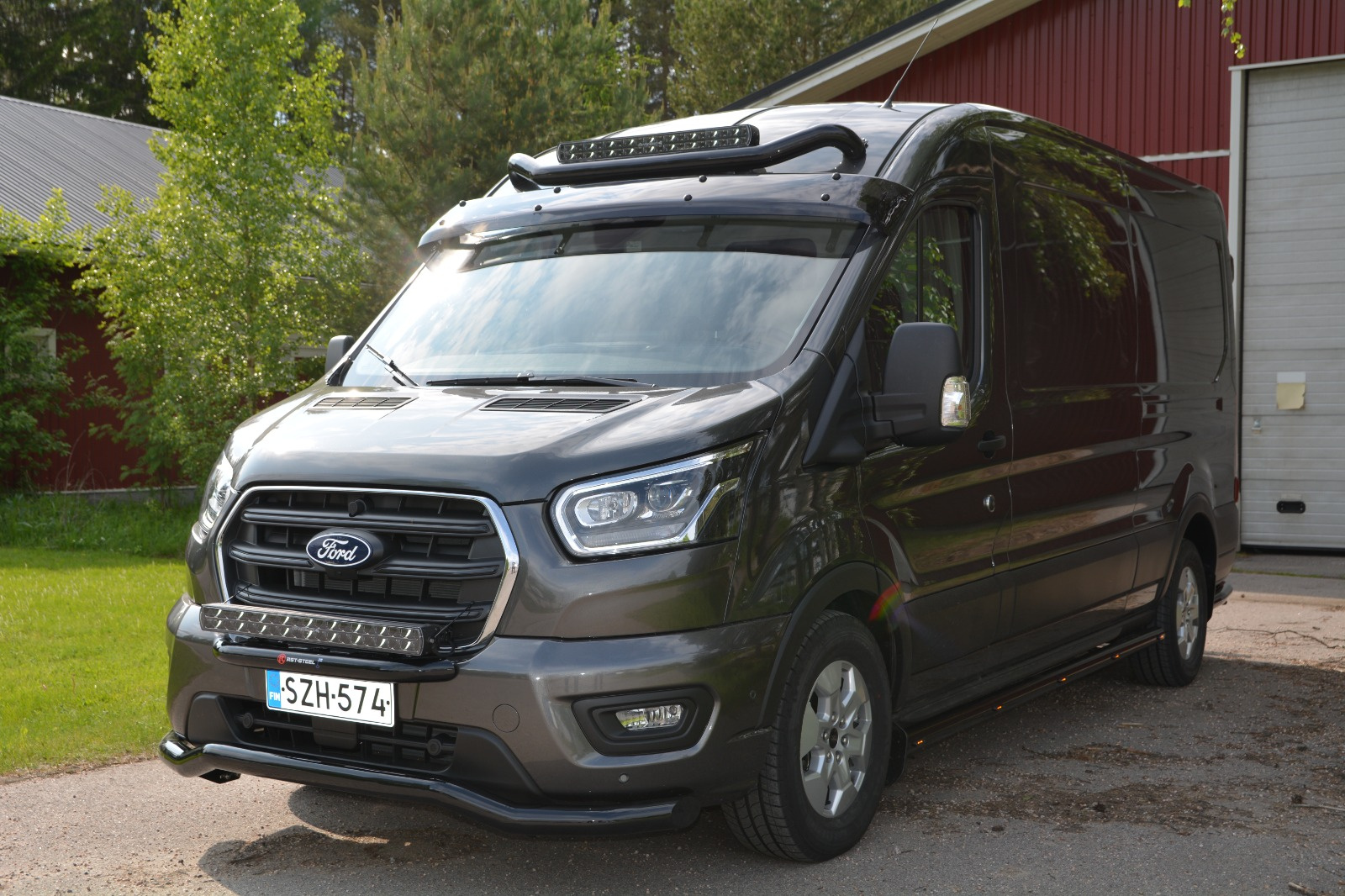
When it comes to auxiliary lights’ cold-weather performance, LED-based auxiliary lights with IP67+ ratings and operating temperatures down to -40°C withstand freezing conditions best. Premium brands like Lazer Lamps excel in extreme cold, while mid-range options like Purelux and OZZ offer reliable performance at lower cost. The key factors include housing materials, electrical components, and proper sealing against moisture infiltration, which can freeze and damage internal systems.
What makes auxiliary lights essential for cold-weather driving?
Auxiliary lights become critical during the winter months because of dramatically reduced daylight hours and harsh weather conditions that severely limit visibility. In Nordic countries like Finland, winter days can be as short as four hours, leaving professional drivers and consumers navigating in darkness for most of their journeys.
Cold-weather auxiliary lighting provides several crucial safety benefits. Snow, sleet, and fog create challenging visibility conditions that standard headlights cannot adequately penetrate. Professional drivers operating commercial vehicles, emergency services, and construction equipment rely heavily on auxiliary lights in Finnish conditions to maintain safe operations throughout the winter months.
The enhanced illumination helps drivers spot hazards earlier, including wildlife, pedestrians, and road obstacles that become particularly dangerous on icy surfaces. For consumer drivers, winter auxiliary lights improve confidence during early morning commutes and evening travel when temperatures drop and road conditions deteriorate rapidly.
How do freezing temperatures affect auxiliary light performance?
Freezing temperatures impact auxiliary light performance through reduced LED efficiency, material contraction, and changes in electrical resistance. Most LED lights experience decreased output as temperatures drop, with some losing up to 20% brightness at -20°C compared to optimal operating temperatures.
Housing materials face significant challenges in cold-weather auxiliary lighting applications. Plastic housings can become brittle and crack, while metal housings may develop condensation problems when temperature fluctuations occur. The expansion and contraction cycles stress mounting points and can create gaps in sealing systems.
Electrical connections become particularly vulnerable in cold-resistant auxiliary lights. Wire insulation hardens and can crack, exposing conductors to moisture and corrosion. Battery voltage drops in cold weather, reducing available power to auxiliary lighting systems. Quality auxiliary lights’ temperature-rating specifications typically range from -30°C to -40°C for reliable operation, though performance may still be affected at these extremes.
Which auxiliary light brands handle extreme cold best?
Lazer auxiliary lights represent the premium tier with superior cold-weather performance, featuring robust construction and temperature ratings down to -40°C. These lights incorporate advanced thermal management and high-grade materials that maintain consistent performance in extreme Nordic conditions.
Purelux and OZZ occupy the mid-range segment, offering excellent value for winter driving light applications. These brands typically handle temperatures down to -30°C reliably, with solid housing construction and adequate sealing for most Finnish winter conditions. They provide a practical balance between performance and cost for both professional and consumer users.
Optibeam represents the budget-friendly option for auxiliary lighting durability needs. While operating temperature ranges may be more limited (typically down to -25°C), these lights offer dependable basic performance for consumer applications. The key advantage lies in their accessibility for drivers who need improved winter visibility without premium pricing.
Each brand tier offers different warranty periods and construction standards. Premium options include advanced features like thermal protection circuits and superior lens materials that resist impact damage from road debris and ice.
What technical features should you look for in cold-weather auxiliary lights?
Essential technical features for auxiliary lights used in freezing temperatures include IP67 or higher ingress protection ratings, operating temperature specifications to at least -30°C, and marine-grade electrical connections. These specifications ensure reliable performance when winter conditions are most demanding.
Housing construction should utilise die-cast aluminium or high-grade polycarbonate materials that resist thermal cycling damage. Look for auxiliary lights with integrated heat-dissipation features, as proper thermal management prevents condensation and maintains LED efficiency. Quality mounting systems must accommodate thermal expansion without compromising structural integrity.
Electrical specifications matter significantly for winter auxiliary light reliability. Choose lights with wide voltage input ranges (9–32 V DC) to handle battery voltage fluctuations common in cold weather. Sealed-beam designs with integrated drivers offer better protection than modular systems with separate components.
Additional considerations include lens materials that resist UV degradation and impact damage, anti-reflective coatings that maintain clarity, and vibration-resistance ratings suitable for rough winter road conditions. Professional installations should include proper drainage provisions and cable routing that prevent water accumulation and freezing.
For drivers seeking reliable winter auxiliary lighting solutions, we offer comprehensive ranges across all performance tiers. Our installation services ensure proper mounting and electrical integration that maximise cold-weather reliability. Contact us to discuss which auxiliary lighting system best matches your specific winter driving requirements and budget considerations.
Related Posts
How does a bull bar reduce front-end damage?
Discover how bull bars absorb collision energy, which types protect best, and what road-legal approval really means for professional vehicles.
How to choose the right Roof Bars for a van?
Not all van roof bars are equal. Discover what professional drivers need to know before buying.
What are Side Steps with Checker Plate on vans?
Checker plate van side steps boost entry safety and protect bodywork — here’s what professionals need to know.
How do Side Bars with Steps make entry into the van easier?
Side bars with steps reduce van entry strain by 50+ daily reps — discover how they protect your body and boost safety.
Which Side Bars withstand wear best?
Stainless steel side bars outlast all rivals — here’s what drives their durability advantage for professional van operators.
How to choose the right Side Bars for a van?
Not all van side bars are equal — discover which type, material, and fitment suits your van best.
What are Rear Corner Bars?
Rear corner bars shield vans from costly bumper damage — here’s everything professional drivers need to know.
How do Rear Corner Bars protect a van?
Discover how rear corner bars protect vans from costly bodywork damage during reversing and tight parking manoeuvres.
How do Front Spoiler Bars affect aerodynamics?
Front spoiler bars reduce van drag and protect bumpers — here’s what professional drivers need to know.
How to choose the right Front Spoiler Bar?
Protect your van’s front bumper with the right spoiler bar — fitment, materials, and lighting explained.
How to choose van accessories for work use?
Discover which van accessories professional drivers actually need to protect their vehicle and improve safety daily.
How to install van accessories yourself?
Fit roof bars, side bars, and front bars yourself using standard tools — no drilling or workshop required.
How do van accessories improve driving comfort?
The right van accessories cut repair costs, reduce driver fatigue, and improve road safety — here’s what actually matters.
Which accessories improve the appearance of a van?
Discover which stainless steel van accessories boost appearance, protection, and functionality for professional drivers.
What are Front Spoiler Bars on vans?
Discover how front spoiler bars protect vans from daily road hazards while doubling as a light-mounting platform.
How are Front Spoiler Bars installed on a van?
Step-by-step van front spoiler bar installation guide — tools, fitting, wiring, and bumper protection explained clearly.
What are Roof Bars on vans?
Discover how van roof bars work, what mounts on them, and how to choose the right one for your vehicle.
What are Front Bars on vans?
Discover how van front bars boost safety, support auxiliary lighting, and install without drilling.

How do Front Spoiler Bars protect a truck?
Front spoiler bars guard trucks from costly road hazards — discover how they save money and improve safety.
Is it advisable to install Front Spoiler Bars on a truck?
Protect your truck’s front end from costly damage — discover why front spoiler bars are a smart investment.

What are Wheel Covers on a truck?
Discover how truck wheel covers protect rims, cut maintenance costs, and keep fleets looking professional on the road.
How are Wheel Covers installed?
Install truck wheel covers in minutes with this step-by-step guide covering sizing, clip fitting, and Nordic maintenance tips.
Which Wheel Covers are best suited for trucks?
Stainless steel wheel covers shield commercial truck rims from salt and debris — here’s how to choose the right fit.
What are Roof Bars on a truck?
Discover what truck roof bars do, which types suit your cab, and why proper installation matters for safety.
How are Roof Bars installed?
A complete guide to truck roof bar installation — covering mounting, wiring, and safety for professional drivers.
What is the difference between a Roof Bar and a Work Light Bar?
Roof bar or work light bar? Know the key differences to choose the right fit for your truck.
How many lights can be mounted on a Roof Bar?
Most truck roof bars hold 2–8 lights — but legal limits, cab width, and wiring matter more than you’d think.
What are Front Bars?
Discover how stainless steel front bars simplify auxiliary light installation and boost truck visibility on demanding roads.
Where are Front Bars mounted on a truck?
Truck front bars mount on the grille frame — not the chassis. Here’s what they do and why it matters.
How do Front Bars affect aerodynamics?
Discover how front bars disrupt truck airflow, raise fuel costs, and how smart design choices minimize the aerodynamic trade-off.
Are Front Bars approved for road use?
Find out if front bars are road-legal for trucks and what EU and Finnish compliance rules you must know.
Why are Bird Nets necessary on trucks?
One cracked windshield costs more than a bird net — here’s why professional drivers install them first.
How are Bird Nets installed on a truck?
Protect your windshield with a properly installed stainless steel bird net — here’s exactly how it’s done.
Which Bird Nets are the most durable?
Stainless steel bird nets outlast the rest — here’s how to choose the most durable option for your truck.
Can Bird Nets be used in all weather conditions?
Stainless steel truck bird nets handle every season — here’s what makes them truly all-weather reliable.
How can the Cabin Inside of a truck be improved?
Discover practical truck cabin upgrades that improve driver comfort, reduce fatigue, and boost daily performance.
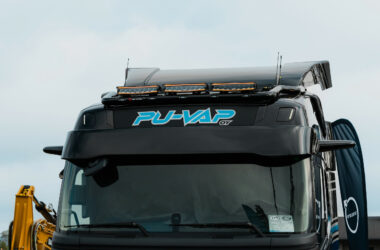
What are Sun Visors on a truck?
Discover how exterior truck sun visors reduce dangerous glare and improve driver safety on long highway runs.
Which Roof Bars withstand harsh weather conditions best?
Grade 316 stainless steel roof bars outperform the rest in harsh Nordic conditions — here’s exactly why.
How do Sun Visors improve driving comfort?
Discover how a truck sun visor reduces glare, prevents driver fatigue, and improves road safety on every long haul.
Which Sun Visors are best suited for professional use?
Not all sun visors are built for professional demands — here’s what separates purpose-built truck visors from the rest.
Can Sun Visors be adjusted to different positions?
Yes — truck sun visors adjust in multiple ways. Here’s what every professional driver should know.
Which Cabin Outside accessories should be installed on a truck?
Protect your truck and improve safety with the right cabin exterior accessories for professional drivers.
How does Cabin Inside affect driver well-being?
Poor cabin ergonomics silently drains driver alertness — discover which interior accessories make the biggest difference on long hauls.
Which seat covers are suitable for professional use?
Not all seat covers handle daily cab life. Find out which materials and features truly meet professional standards.
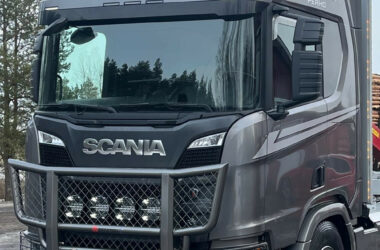
Which Work Light Bars are the most efficient on a truck?
Not all truck light bars are equal — discover which specs, beam patterns, and ratings truly deliver on the job.
Can Work Light Bars be used on public roads?
Work light bars are illegal on EU public roads — here’s what every professional truck driver must know.
Can Front Spoiler Bars be repaired after damage?
Damaged front spoiler bar? Discover repair methods, assessment tips, and when replacement beats repair costs.
Which Front Spoiler Bars withstand impacts best?
Not all front spoiler bars survive real-world punishment — material grade, weld quality, and bracket engineering make all the difference.
How do Front Spoiler Bars affect a truck’s air resistance?
Front spoiler bars do more than manage airflow — discover their real aerodynamic impact and practical benefits for truck drivers.
When should Wheel Covers be replaced?
Damaged truck wheel covers risk costly rim repairs and road safety hazards — here’s exactly when to replace them.
How should Wheel Covers be cleaned effectively?
Brake dust, road salt, wrong cleaner — discover the step-by-step wheel cover cleaning routine that protects your rims long-term.
Which lights work best on a Roof Bar?
LED vs halogen, beam patterns, and key specs — find the best roof bar lights for professional trucks.
Which Front Bars fit different truck models?
Discover which stainless steel front bars fit major European truck models — and how to choose the right one.
How should Cabin Inside cleaning be carried out professionally?
Master professional truck cabin cleaning with the right tools, techniques, and schedules every driver needs.
How can Cabin Inside lighting be improved?
Discover how the right truck cabin lighting reduces driver fatigue and transforms your cab into a productive workspace.
Which Front Spoiler Bars are suitable for city driving?
Protect your truck’s front bumper in city traffic — discover which front spoiler bars handle urban hazards best.
What are Front Spoiler Bars on a truck?
Discover how front spoiler bars shield truck bumpers from real-world hazards — reducing costly downtime and repair bills.
Is a Bull Bar mandatory on a truck?
Bull bars aren’t mandatory on trucks — but here’s why professional drivers treat them as essential.


 English
  Swedish
  Norwegian