
How to install van accessories yourself?
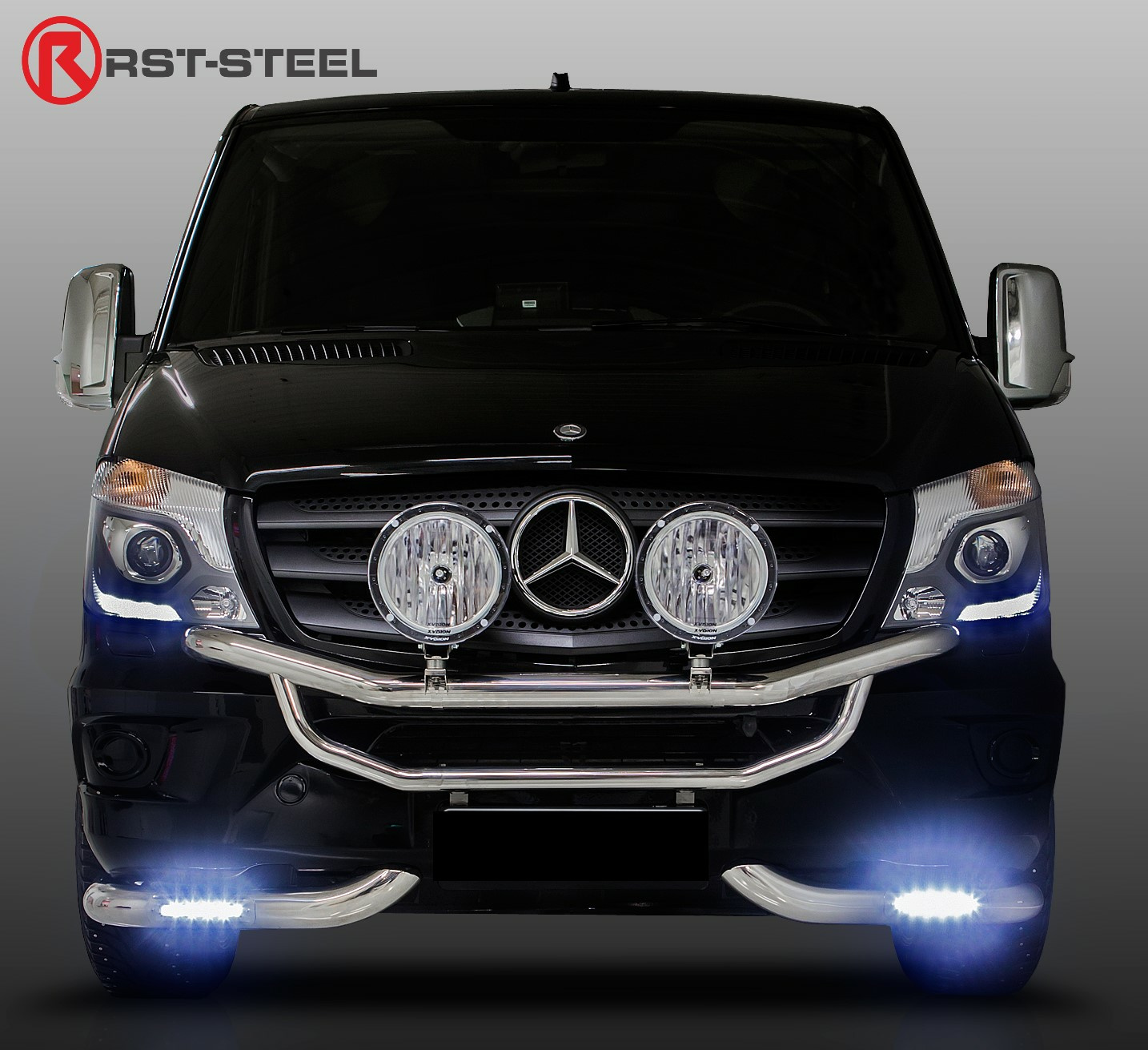
Most van accessories designed for professional drivers can be installed without a workshop, using standard hand tools. Roof bars, front bars, front spoiler bars, side bars, and rear corner tubes are all engineered as bolt-on solutions with vehicle-specific fitment kits. This guide covers the practical installation process for each accessory type, so you can fit them correctly, safely, and without unnecessary downtime.
What van accessories can a professional driver realistically install without a workshop?
The majority of bolt-on van accessories are genuinely designed for DIY installation. Roof bars, front bars, front spoiler bars, side bars with steps, and rear corner tubes all use vehicle-specific bracket systems that align with existing body mounting points, meaning no drilling is required in most cases.
Stainless steel van accessories from reputable manufacturers come with pre-drilled mounting points and model-specific hardware, so the fitment process is straightforward with a basic socket set, torque wrench, and screwdrivers. One key distinction worth knowing is that accessories which integrate with the bumper or chassis, such as front bars, may require bumper removal, while roof bars and side bars typically attach without disturbing major body panels.
Rear corner tubes sit in a category of their own. They protect the rear bumper against minor parking impacts and are among the simplest accessories to fit, usually requiring only a few bolts to existing body points.
How do you install a roof bar on a van correctly and safely?
Roof bar installation on a van starts with identifying the correct mounting points. Most common van models, including high-roof variants, have factory gutter channels or pre-designated mounting locations along the roofline. Bracket placement must align precisely with these points to distribute load correctly and prevent roof deformation over time.
Work through the process in this order:
- Position the brackets at the manufacturer-specified intervals along the gutter channel or roof mounting rail.
- Hand-tighten all fasteners before applying final torque, typically 20 to 25 Nm for M8 bolts on standard van roof structures, though always defer to the fitment guide for your specific bar.
- Apply a compatible sealant around any bracket contact point that could allow water ingress, particularly on high-roof vans where the roof panel is thinner.
- Check alignment from both sides before final tightening.
Overtightening is the most common mistake and can crack the gutter channel or distort the bracket. Improper sealing is the second, leading to rust and interior water damage. If you plan to mount auxiliary lights or position lights on the roof bar after fitting, route cables before the bar is fully torqued down, securing them with cable ties along the internal channel to keep the installation clean.
What is the right way to fit a front bar or front spoiler bar to a van?
Front bar and front spoiler bar installation follows a similar process, but these two accessories serve different purposes. A front grille bar is primarily a mounting platform for auxiliary driving lights, sitting across the grille area without requiring bumper removal on most models. A front spoiler bar mounts lower, protecting the front bumper against kerb strikes, snow banks, and speed bumps.
For front bars that attach behind the bumper to chassis mounting points, partial bumper removal is often necessary to access the bracket fixings. Once the bumper is off, align the brackets to the designated chassis holes, torque the fasteners to the specified value (commonly 25 to 35 Nm for M10 fixings on chassis-mounted bars), and refit the bumper before final checks.
Wiring for position lights or auxiliary driving lights should be routed during assembly. Feed cables through the existing factory grommets in the bumper panel, then connect to the vehicle’s auxiliary circuit using waterproof connectors. Avoid routing cables near exhaust components or moving parts.
Front spoiler bars, because they sit lower, are particularly valuable on professional van setups where the vehicle regularly encounters winter road conditions or tight urban environments.
How do you install side bars and side steps on a van without drilling?
Side bar installation, including side bars with steps and checker plate side steps, is designed around vehicle-specific bracket kits that use existing body mounting points. No drilling through the sill or body panel is required when using the correct fitment kit for your van model.
Position the brackets against the sill, aligning them with the factory mounting holes beneath the door aperture. Use Grade 8.8 or higher fasteners where load-bearing steps are involved, as step variants carry dynamic load each time a driver or passenger uses them to enter the vehicle. Torque values for sill-mounted brackets typically fall between 20 and 30 Nm depending on bracket size.
Correct positioning relative to the sill line matters both functionally and visually. The bar should sit parallel to the sill, at a height that makes the step usable without being so low it risks ground contact on uneven terrain.
If you want to wire position lights into the side bar assembly, route the cable along the inner sill, using existing cable clips or adhesive mounts, then connect to the van’s auxiliary lighting circuit at the nearest accessible junction. RST-Steel’s side bars are available in several configurations, including plain side bars, side bars with steps, and checker plate side steps, all engineered for straightforward self-installation on the most popular van models.
If you want expert guidance on choosing the right accessories for your van or prefer a professional installation handled from start to finish, contact us directly to discuss your requirements and get a tailored quote.


 Swedish
  English
  Norwegian